Storing a helicopter requires more than just finding a shelter. It involves several precautions to maintain its condition and ensure it is ready to fly safely.
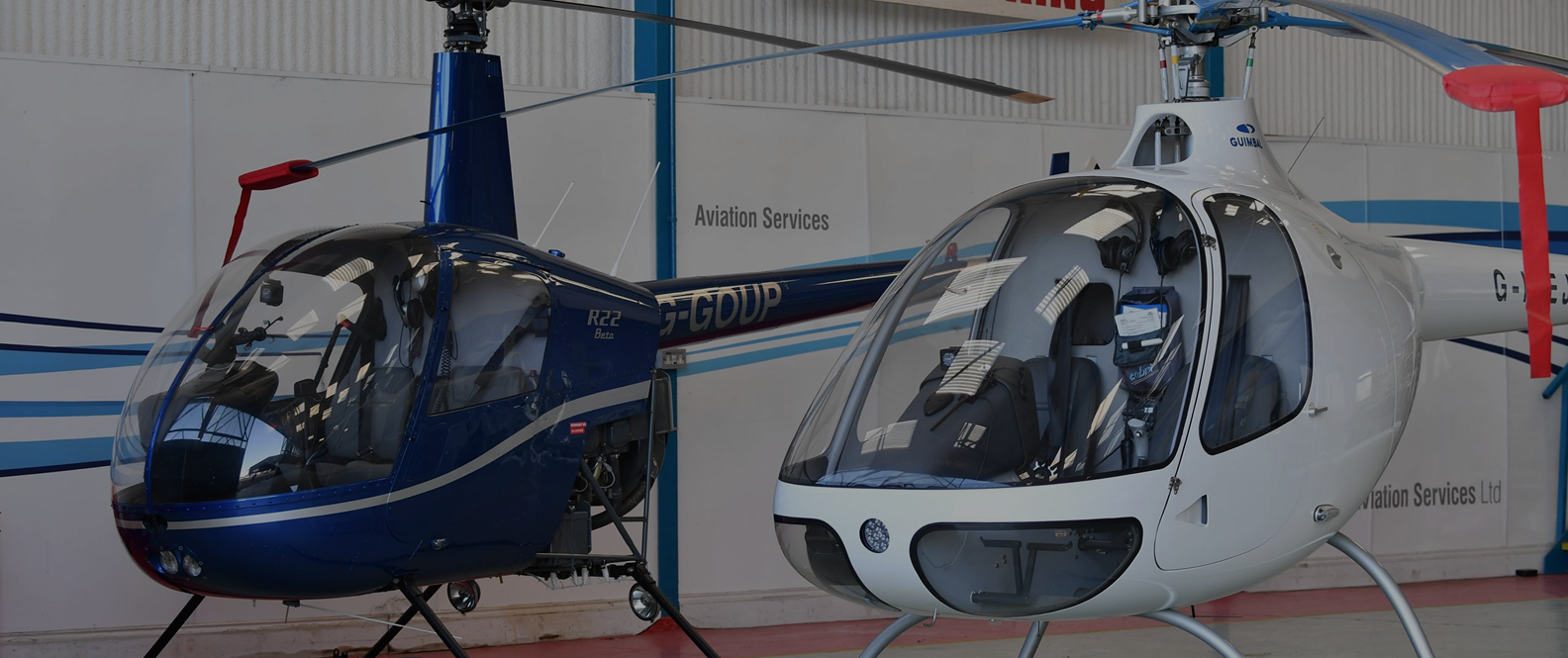
Storage
Considerations for storage

The facility should be secure and provide protection from environmental factors like rain, wind, and extreme temperatures. Climate-controlled storage is ideal for long-term protection against corrosion.

Before storage, both the interior and exterior of the helicopter should be thoroughly cleaned to prevent corrosion and inspect for any damage. Rotor blades, the fuselage, and the landing gear should be free of dirt and grime.

Helicopters are prone to corrosion, especially in humid or coastal areas. Using corrosion inhibitors, protective covers, and desiccant packs can mitigate this risk.

All fluid levels, including fuel, oil, and hydraulic fluid, should be topped off before long-term storage. Adding fuel stabilizers is also recommended to prevent degradation.

The battery should be kept charged, possibly with a trickle charger, and disconnected from the electrical system to prevent it from losing its charge.

Always consult the helicopter manufacturer’s recommendations for specific storage instructions based on the model.
“It’s time to REVISIT how you approach helicopter maintenance and service. Helicopter Rebuilds International is a full-service maintenance and overhaul company specializing in major component rebuilds, inspections, and custom modifications.”